Wallpaper Over Wallpaper
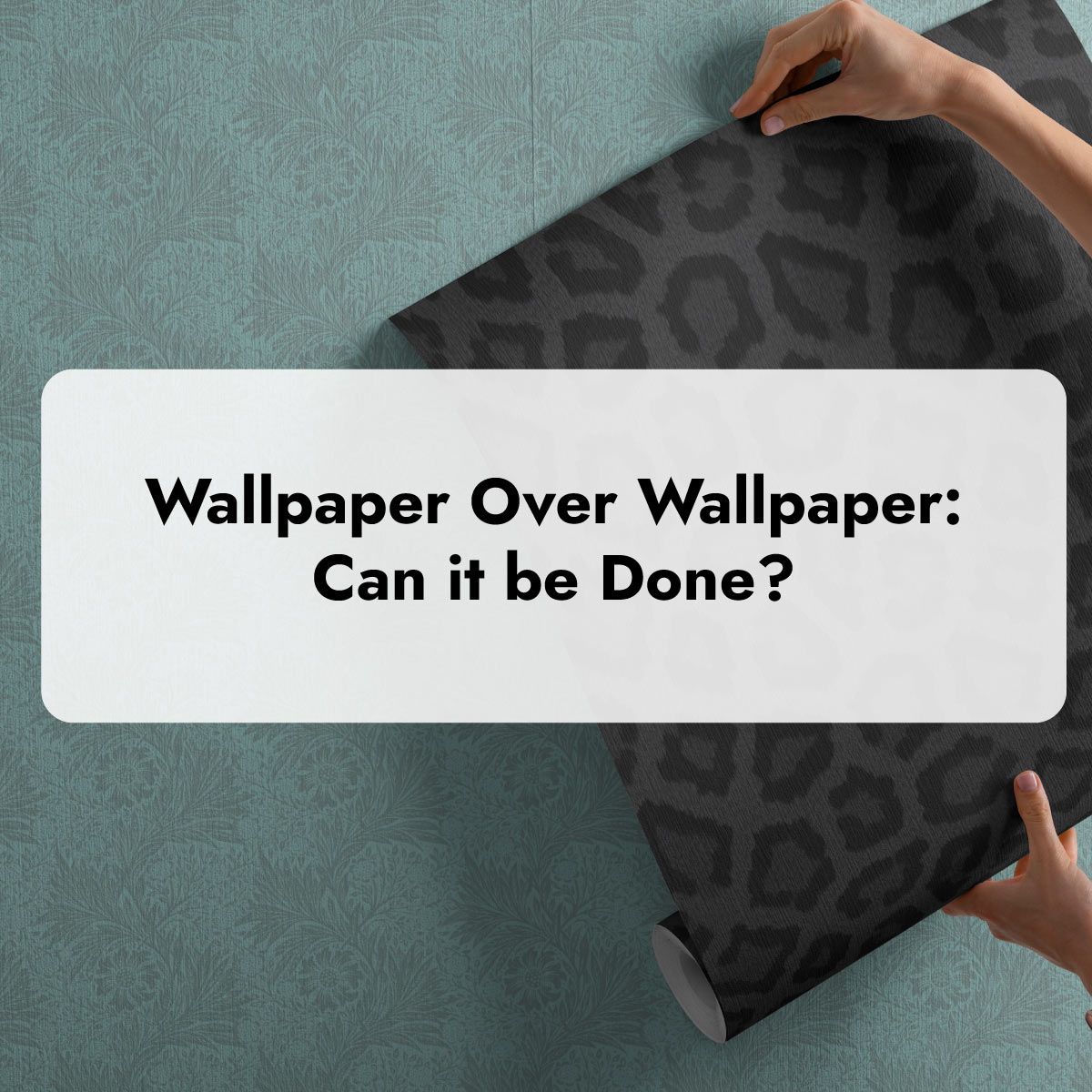
We all have those projects we need to tackle immediately, because the minute we move on to the next thing, they might never get done. For some, it could be as simple as changing curtains or rearranging furniture, but for others, adding new wallpaper to freshen up a space is a must.
This, however, can be a tedious task if there is already wallpaper on the walls. Traditional, or as it’s technically called, non-pasted wallpaper can take time to remove, and if it’s old, it may come off in small pieces. On the other hand, peel and stick wallpaper, if previously applied incorrectly over chipping paint, unprimed surfaces, or uneven areas, can peel off the paint when removed, potentially creating an even bigger mess.
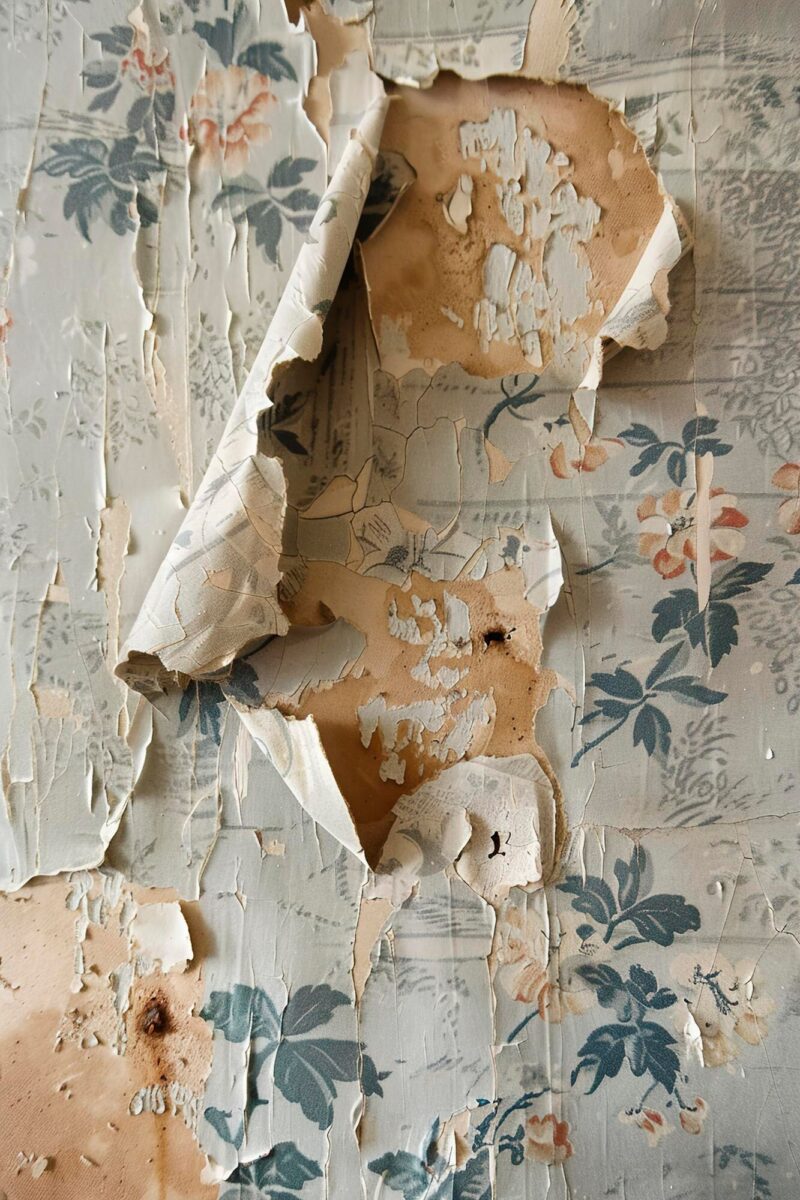
The solution in people’s minds would be to wallpaper over existing wallpaper. But this could lead to more time and money being wasted in the long run. If the wallpaper underneath is already chipping, moist, or somewhat damaged, it could lead to poor adhesion, so you will waste time placing new wallpaper that will only look good in the short term. What’s more, any bumps, seams, or peeling edges underneath will show through the new wallpaper, making it look uneven. There’s more! If you apply paste or adhesive over existing wallpaper, it can reactivate the old glue, causing bubbling, wrinkling, or shifting.
And after all this, when it’s time to change the wallpaper design again or move, removing multiple layers of wallpaper is much more difficult, messy, and time-consuming, often leading to wall damage and extra repair costs.
But we get that sometimes taking the risk is worth it, for the joy it can cause now, not the annoyance in the future. That’s why we will outline some important details you must consider if you do choose to go down this route.
Can You Put Removable Wallpaper Over Existing Wallpaper?
Yes, you can apply removable wallpaper over existing wallpaper, as long as the surface is smooth, clean, dry, and securely adhered to the wall. Make sure there are no visible bubbles, peeling edges, flaking, or other damage, as these imperfections can compromise adhesion and lead to disappointing results over time.
But keep in mind that not all wallpaper types will stick to each other. For example:
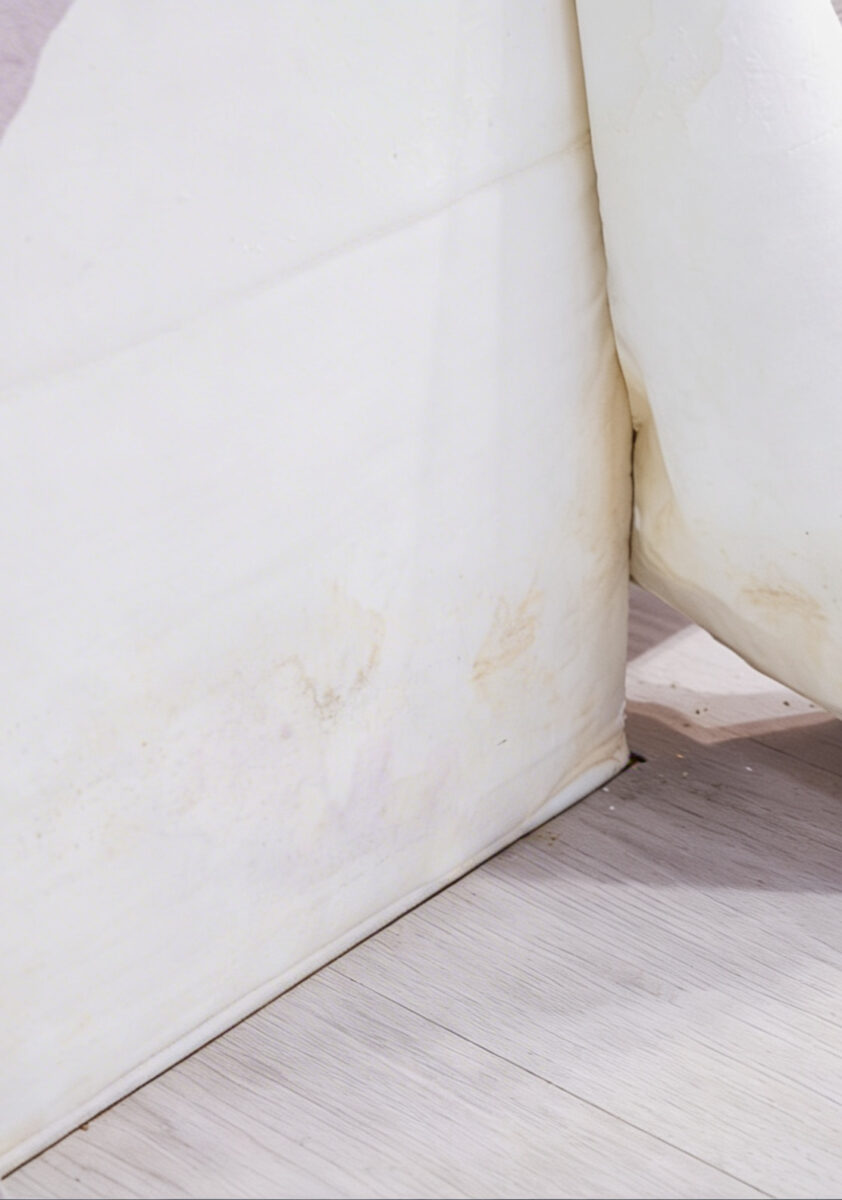
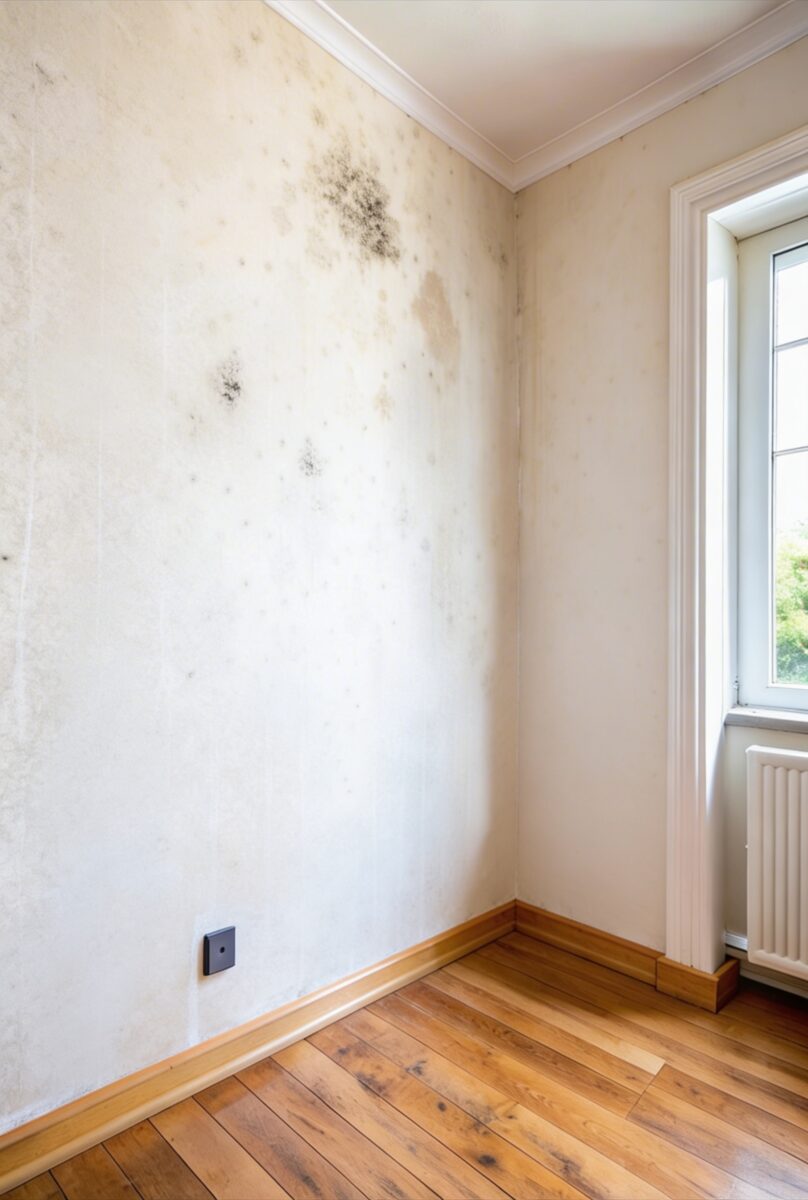
- Peel-and-stick wallpaper won’t adhere well to non-porous surfaces, such as vinyl. And if there is leftover moisture underneath, this can also cause mold, which is very harmful not only to the appearance of your interior but also to your health.
- Moisture from new adhesives can seep into the original layer, causing the underlying glue to loosen and compromise the project’s overall durability. Furthermore, for renters, peel-and-stick vinyl often forms a permanent bond with the old paper; removing it later will likely strip both layers, leading to wall damage and potential repair costs.
Can You Put Non-Pasted Wallpaper Over Existing Wallpaper?
Yes, technically, you can put non-pasted wallpaper over existing wallpaper. But there are risks, for example:
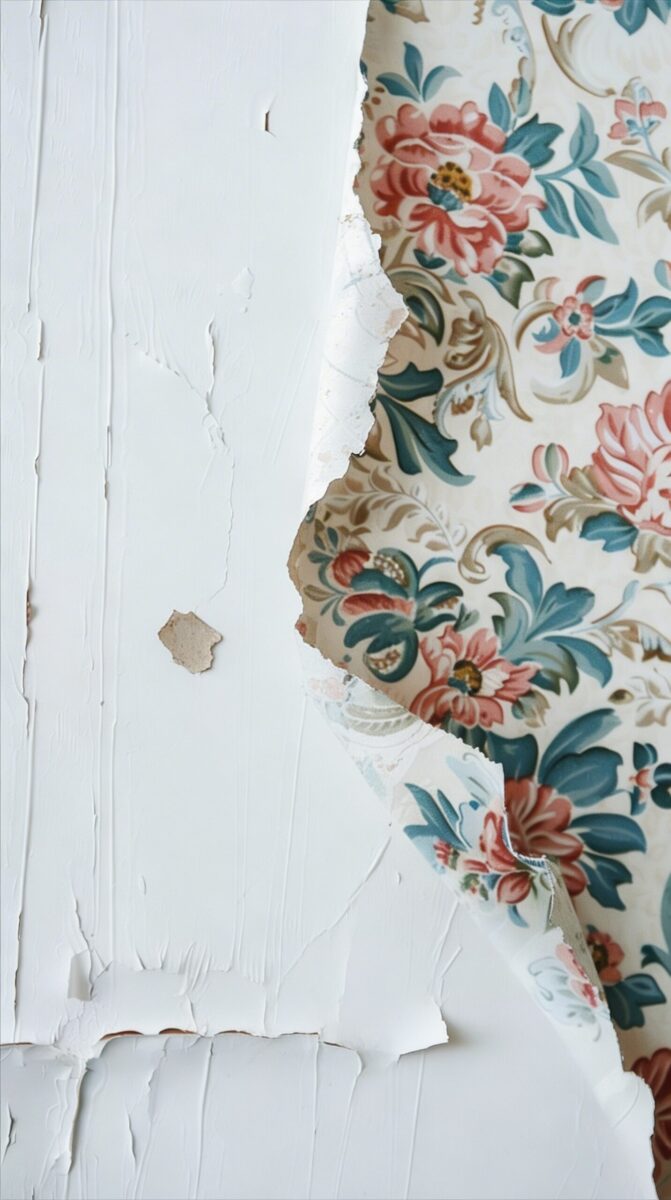
- If you have traditional wallpaper underneath as well, the new non-pasted wallpaper applied on top with wallpaper glue will get the bottom layer wet, and can cause peeling even before you place it on. If not, when you reposition or align it, the wallpaper underneath can move and cause bunching that will show through.
- If the wallpaper underneath is peel-and-stick and made of vinyl, it may not provide a reliable surface for a new layer, as the top wallpaper may not adhere properly and could start peeling over time.
How To Put Removable Wallpaper Over Existing Wallpaper?
If, even with the risks out of the way, you still want to continue with this project, here are some tips and tricks to ensure the removable wallpaper you apply over existing wall color lasts as long as possible and looks professionally done.
- First, secure any loose edges of the old wallpaper. Any pieces that are starting to come undone, glue back with some wallpaper glue. Allow to dry for at least 24 hours.
- After waiting the full time, clean the wallpaper you are placing the new wallpaper on top of. Any leftover grease or stains will hinder the peel and stick backing from properly adhering to the wall. Wipe the walls thoroughly with 70% rubbing alcohol or a degreasing solution to remove the leftover imperfections you cannot see.
- Never assume your old wallpaper is 100% straight; use a level to double-check. This will ensure that the finished product looks as professional as possible.
The amazing thing about Fancy Walls is that our peel and stick wallpaper is 90% opaque, meaning if the walls underneath are darker, it will not show through, but keep in mind that this doesn’t apply if the existing wallpaper is black or other deep and dark tones, and it will be slightly visible.
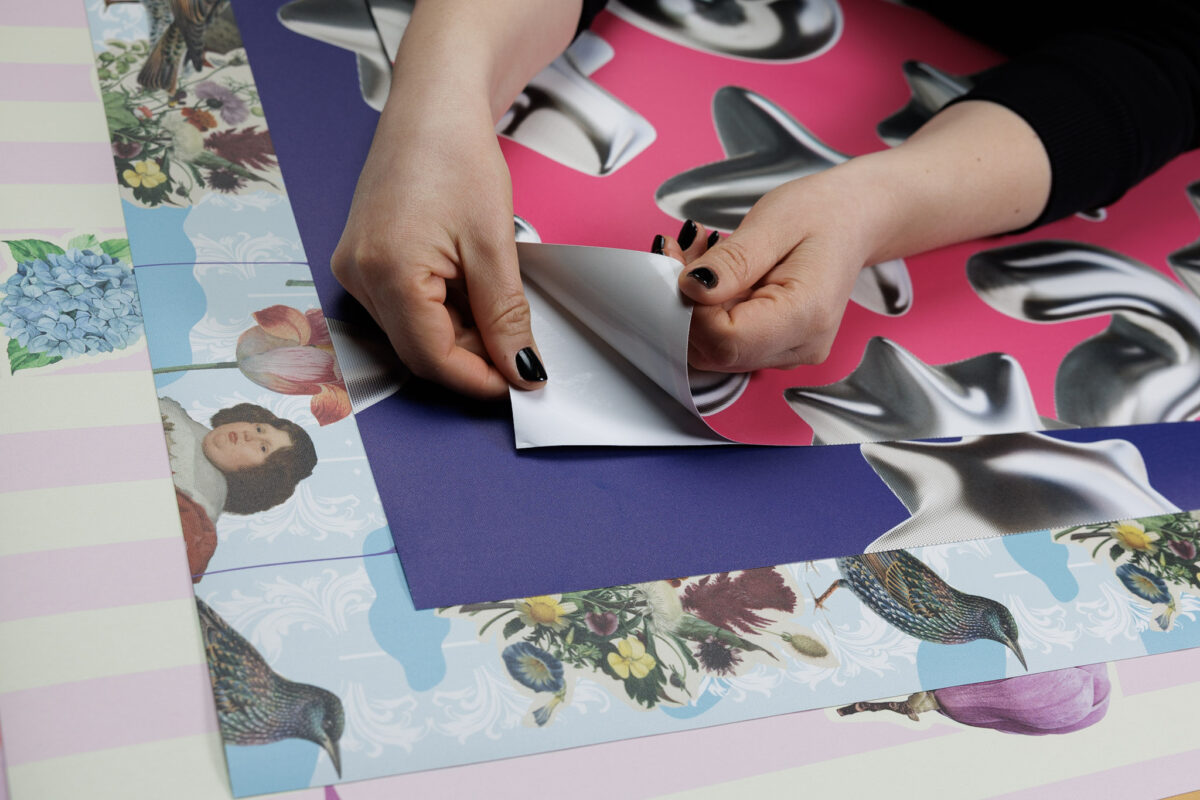
Work from the center outward to push out air bubbles. Because you are sticking adhesive to a non-porous surface (the old vinyl/paper), bubbles can be more stubborn than on drywall. Never apply removable wallpaper over existing wallpaper if the original is textured (like grasscloth or embossed patterns). The adhesive won’t bond properly, and it will likely fall down within days.
How To Put Non-pasted Wallpaper Over Existing Wallpaper?
Applying non-pasted wallpaper over an existing layer is a high-risk DIY move. As noted before, the moisture in the paste can soften the old adhesive, leading to bubbles, peeling, or even mold growth between layers.
However, if you are committed to the project, the basic premise is similar to applying removable wallpaper over existing wallpaper. Check and fix any damage, clean, and do not assume the underlayer is straight. But differently, and the most crucial step to put non-pasted wallpaper over existing wallpaper is to create a barrier so the moisture from your new paste doesn’t soak into the old glue.
Use an Oil-Based Primer and avoid water-based primers, as they can soak through and loosen the old wallpaper. Once the primer is completely dry (usually 24 hours), follow the manufacturer’s instructions for your specific non-pasted paper.
Longevity of Removable Wallpaper Over Existing Wallpaper?
The longevity of applying wallpaper over an existing layer is a bit of an “it depends” situation. While it can last for years under the right conditions, you are essentially relying on the strength of the original wallpaper’s bond to the wall. It could last from 1 year to 3–5+ years.
Longevity of Non-Pasted Wallpaper Over Existing Wallpaper?
Applying non-pasted wallpaper over an existing layer is a higher-stakes project than using peel-and-stick. Because traditional wallpaper requires wet paste, the installation introduces moisture that can reactivate the old glue underneath.
If done correctly, non-pasted wallpaper can last 10 to 15 years, but the “double-layer” approach carries specific risks for longevity. If not done correctly, it can start peeling within weeks or months.
How to Properly Apply Wallpaper
If you want to start from the beginning for long-lasting results, we recommend reading our wallpaper installation guides for both peel and stick and non-pasted wallpaper application to ensure your wallcovering will stick for as long as possible.
How to Install Wallpaper
Guides on how to properly install either peel and stick or non-pasted wallpaper to ensure long-lasting durability and enhance its visual appeal.