Pre-pasted Wallpaper vs. Peel and Stick Wallpaper
If you’re familiar with the different wallpaper types out there, you may already know the answer to what pre-pasted wallpaper is and how it differs from peel-and-stick wallpaper. But if wallpaper shopping is new territory for you, all those terms can quickly become confusing.
Pre-pasted, peel-and-stick, non-pasted, removable – aren’t they all just wallpaper? Well, yes, but the way they are installed, removed, and maintained can be quite different.
When it comes to pre-pasted wallpaper vs. peel and stick, both options eliminate the need to apply traditional wallpaper paste yourself. However, that’s pretty much where the similarities end.
Let’s take a closer look.
- Preparation for Pre-pasted Wallpaper vs. Peel and Stick Wallpaper
- Pre-pasted Wallpaper Installation vs. Peel and Stick Wallpaper Installation
- Pre-pasted Wallpaper Maintenance vs. Peel and Stick Maintenance
- Pre-pasted Wallpaper Removal vs. Peel and Stick Removal
- Pre-pasted Wallpaper Alignment vs. Peel and Stick Alignment
- Which Prints Suit Pre-pasted Wallpaper vs. Peel and Stick Best
- Expiration Date of Pre-pasted Wallpaper vs. Peel and Stick Best
- Where to Buy Pre-pasted vs. Peel and Stick Wallpaper
- Pre-pasted Wallpaper vs. Peel and Stick: Which One Should You Choose?
Preparation for Pre-pasted Wallpaper vs. Peel and Stick Wallpaper
The first step in any wallpaper project is preparation. Like many things in life, doing a little research beforehand and taking your time with the necessary prep work will help ensure the job is done correctly and the finished result looks professional.
Both pre-pasted and peel-and-stick wallpaper should be installed on a smooth, clean, dry, and grease-free surface. Any dust, dirt, grease, or debris left on the wall can interfere with the adhesive and cause bubbling, lifting, or peeling later on.
But does peel and stick wallpaper work on textured walls? This depends on the wallpaper and the amount of texture. Lightly textured walls may work with some products, but heavy or uneven textures can prevent the adhesive from making sufficient contact with the surface. If your walls aren’t completely smooth, test a sample before committing to the full installation.
Before installation, remove any old wallpaper and repair cracks, holes, or uneven areas. If the wall has been painted recently, make sure the paint has fully cured before installing wallpaper. It is also a good idea to test a wallpaper sample on your wall first, especially if you are unsure about the surface or paint finish.
While the basic wall preparation is similar for both types, always check the manufacturer’s instructions. Pre-pasted wallpaper installation may require additional preparation for water activation and booking, while peel-and-stick wallpaper can be applied once the wall and material are ready.
Pre-pasted Wallpaper Installation vs. Peel and Stick Wallpaper Installation
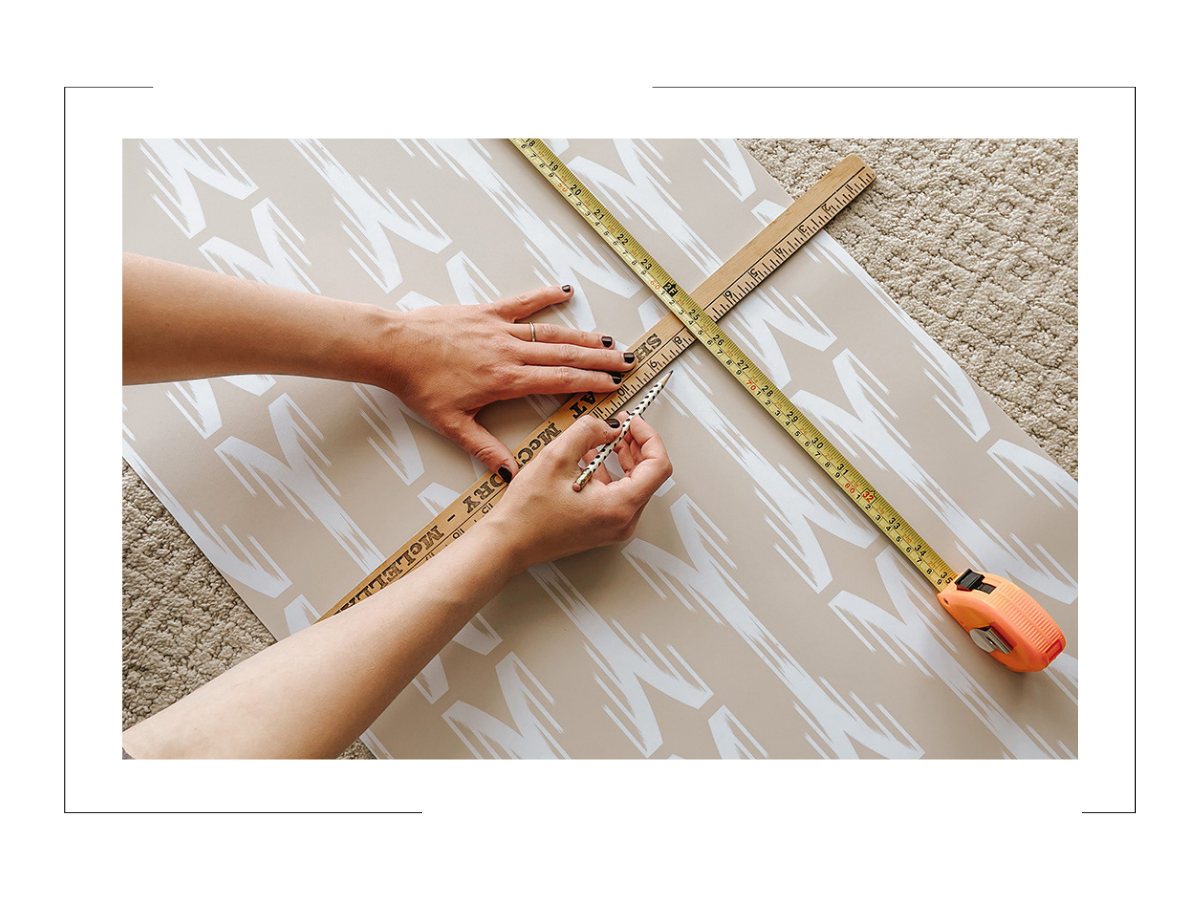
One of the main advantages of both pre-pasted wallpaper and peel and stick wallpaper is that you don’t have to apply wallpaper paste by hand. Still, both types of wallpaper involve a few steps that make them unique. This is where the primary difference between these materials lies.
- Pre-pasted wallpaper installation requires activating the glue on the backing with water, whether you apply it with a roller, sponge, or spray bottle. Once the backing contacts water, the dried adhesive becomes sticky and ready for installation.If you’re learning how to hang pre-pasted wallpaper, it’s also important to understand the term “booking”. The term “booking” may sound strange if you’ve never installed traditional or pre-pasted wallpaper before. If you’re wondering how to book wallpaper, gently fold the pasted or activated sides together without creating a crease. The pasted sides should touch while the printed side stays on the outside. Then, leave the wallpaper like this for a couple of minutes, or until the adhesive becomes tacky.
- Peel-and-stick wallpaper doesn’t require water activation or booking. It’s as simple as peeling away the protective liner, carefully placing the wallpaper on your wall, and smoothing it out with a smoothing tool or squeegee.
Pre-pasted Wallpaper Maintenance vs. Peel and Stick Maintenance
In a busy home, having furniture or decor that is easy to clean is essential, especially when children are younger and somehow manage to make a lot more things sticky. Wallpaper is no exception, so knowing how to clean and maintain each type can make everyday life a little easier.
- You can generally wipe pre-pasted wallpaper clean with a soft, non-abrasive cloth and water. Avoid excessive moisture, harsh cleaning products, and scrubbing, as these may damage the surface or affect the adhesive, especially around the seams.
- Peel-and-stick wallpaper is also relatively easy to maintain. Most types can be gently wiped with a soft, damp cloth to remove dust, fingerprints, and small marks. Avoid abrasive sponges and strong cleaning products, as they may damage the printed surface. Pay extra attention to the edges and seams when cleaning, as too much moisture or rubbing can cause them to lift over time.
Pre-pasted Wallpaper Removal vs. Peel and Stick Removal
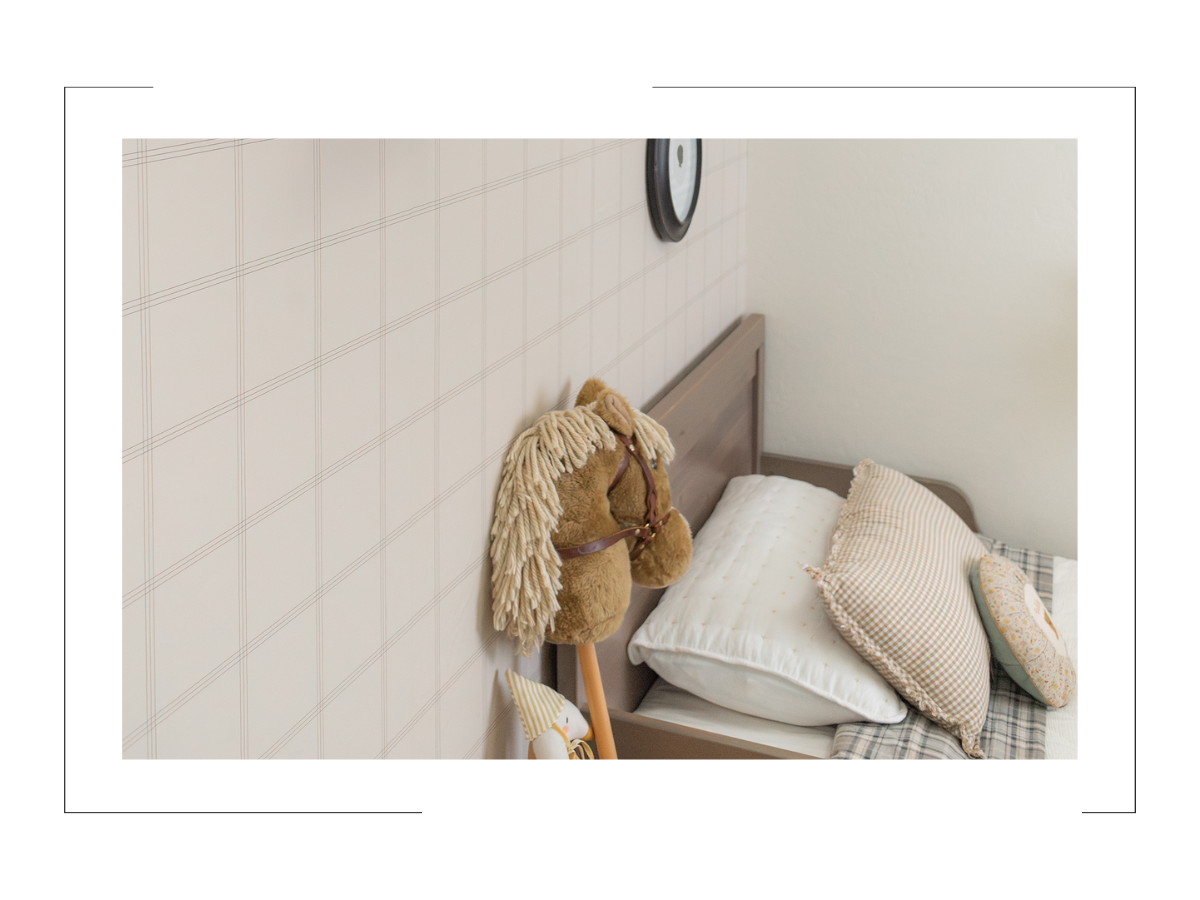
Both pre-pasted wallpaper and peel-and-stick wallpaper can be renter-friendly options, depending on the wall surface. Pre-pasted wallpaper doesn’t require separate wallpaper paste, while peel-and-stick wallpaper uses an adhesive backing.
You can generally remove pre-pasted wallpaper by wetting it to soften and reactivate the adhesive. Once the adhesive loosens, you can carefully peel or scrape the wallpaper away. Removal may take more water and time than peel-and-stick wallpaper, and you should clean off any remaining adhesive afterward.
Peel-and-stick wallpaper is designed to be easy to remove. You can usually peel it off slowly without water or extra removal products. However, how easily it comes off depends on the wall surface, paint condition, and how long the wallpaper has been installed. On poorly prepared or freshly painted walls, it may pull away some paint during removal.
Pre-pasted Wallpaper Alignment vs. Peel and Stick Alignment
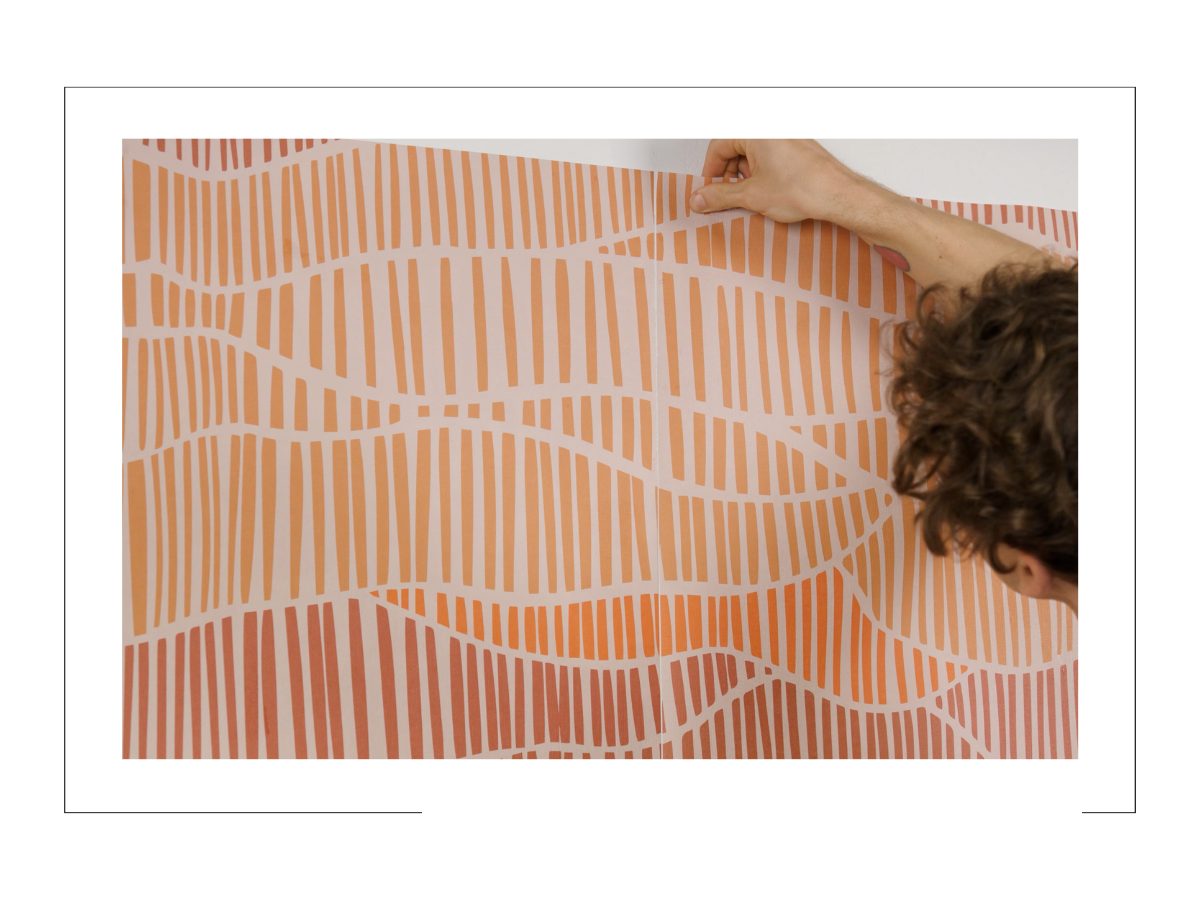
Alignment is a crucial step in wallpaper application, especially when working with repeating patterns. Even a small mistake at the beginning can become more noticeable as you continue across the wall.
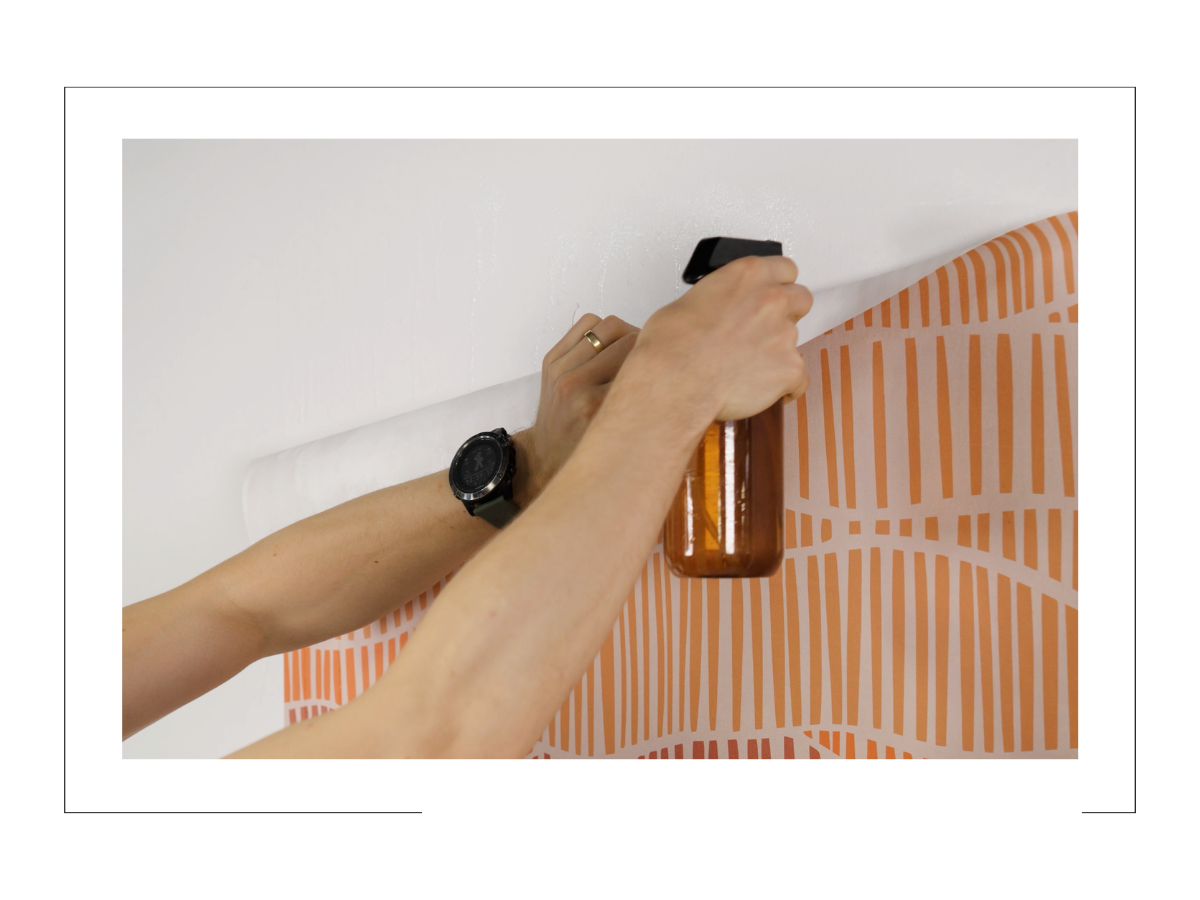
- Pre-pasted wallpaper is easier to adjust during installation because the activated adhesive stays workable for a short time. You can gently slide the panel into position to align the edges and match the pattern before smoothing it down.
- Peel-and-stick wallpaper requires a little more patience when aligning panels. Because the adhesive sticks to the wall on contact, sliding the panel into position is harder. If the alignment is off, you will usually need to carefully peel the section back and reposition it. Working slowly and removing the backing paper little by little can make pattern matching easier.
Which Prints Suit Pre-pasted Wallpaper vs. Peel and Stick Best
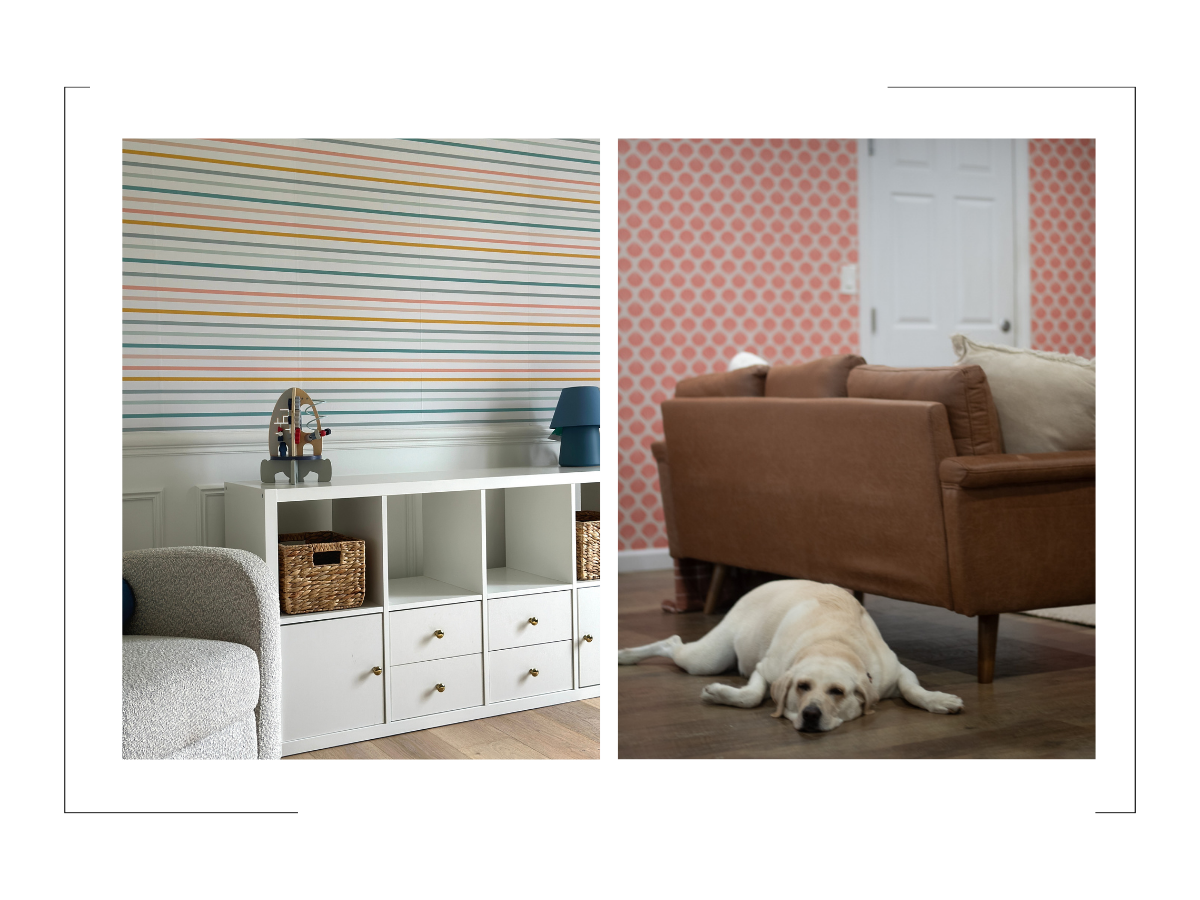
Both pre-pasted and peel-and-stick wallpaper are available in almost any print imaginable, so the material itself doesn’t necessarily limit your design choices. Ultimately, the best print comes down to your personal style and how comfortable you are with the installation process. If you’re new to wallpapering, a design with a less noticeable repeat can make installation easier with either material.
Expiration Date of Pre-pasted Wallpaper vs. Peel and Stick Best
Wallpaper doesn’t usually come with a strict expiration date, but its adhesive can become less effective over time. How long unused wallpaper stays in good condition also depends on how and where you store it.
- Pre-pasted wallpaper has dried adhesive already applied to the backing. Over time, this adhesive may become less effective when reactivated with water, particularly if the wallpaper has been exposed to moisture, heat, or significant temperature changes.
- Peel-and-stick wallpaper also relies on a pre-applied adhesive that can deteriorate over time. Older rolls may become less sticky, making it more difficult for the wallpaper to adhere properly and increasing the risk of lifting edges or peeling.
For both types, keep unused wallpaper in its original packaging in a cool, dry place away from direct sunlight and excessive heat. Always check the manufacturer’s storage recommendations, especially if you plan to keep leftover rolls for future repairs.
Where to Buy Pre-pasted vs. Peel and Stick Wallpaper
Now that you know the differences, choosing the right wallpaper for your space should feel a little easier. And the obvious next step after reading all of this? Finding a design you love and buying your wallpaper!
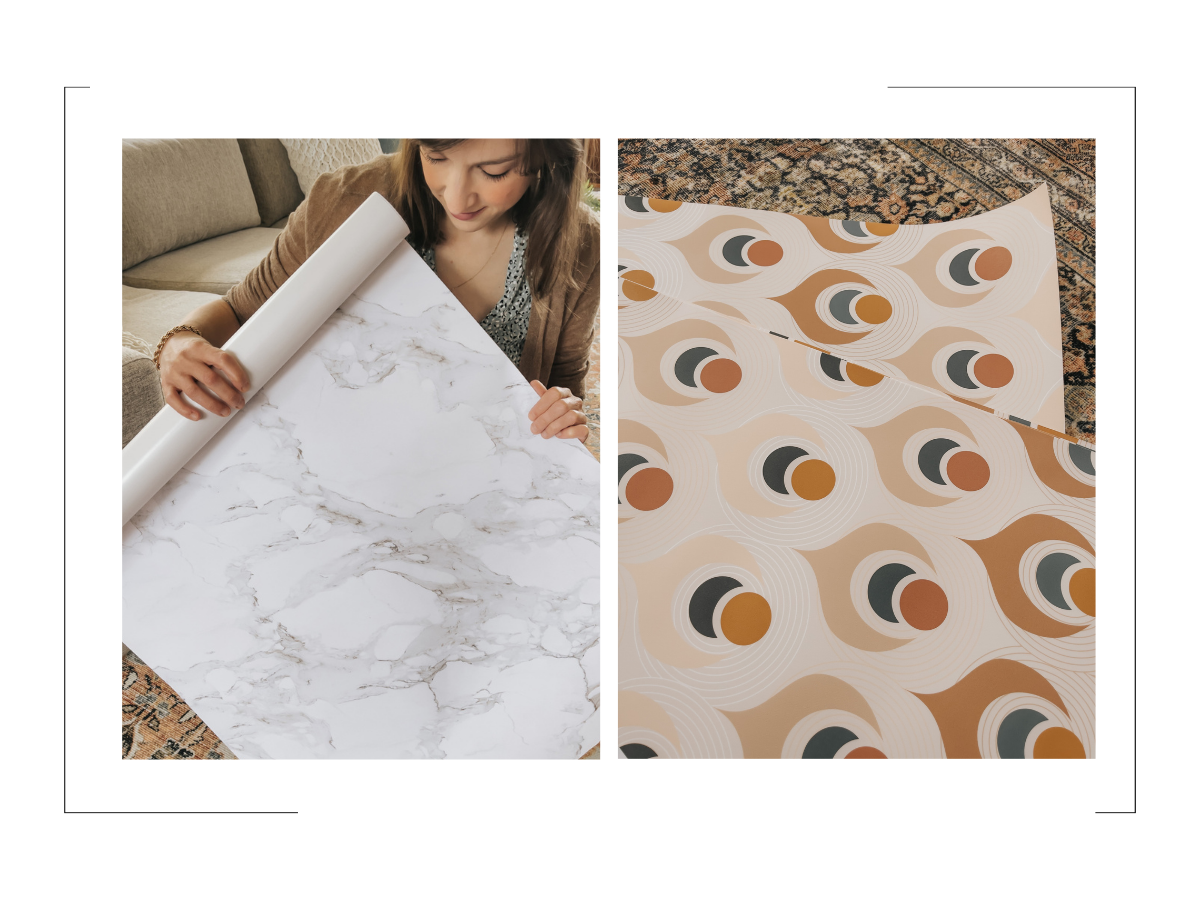
Many online retailers, including Fancy Walls, offer both pre-pasted and peel-and-stick wallpaper, but you can also find these options through wallpaper manufacturers, specialty wallpaper retailers, home improvement stores, and other online home decor shops.
Before buying, check the product specifications carefully to make sure you’re getting the material you want, as pre-pasted, peel-and-stick, and traditional non-pasted wallpapers all require different installation methods.
Pre-pasted Wallpaper vs. Peel and Stick: Which One Should You Choose?
When choosing between pre-pasted wallpaper vs. peel and stick, there isn’t one option that’s right for everyone. Both make wallpaper installation easier by eliminating the need to apply traditional wallpaper paste, but they offer different installation experiences.
Pre-pasted wallpaper is a great choice if you want more flexibility when positioning and aligning panels. It requires water activation and booking, but the extra steps give you some time to adjust the wallpaper once it’s on the wall. Peel-and-stick wallpaper is ideal if you prefer a quicker, mess-free installation without water or additional tools. Simply peel, position, and smooth.
Whichever material you choose, proper wall preparation makes all the difference. Start with a clean, smooth, dry surface, follow the manufacturer’s instructions, and consider ordering a sample to test the material on your wall before starting a larger project.
In the end, the best wallpaper suits your space, installation preferences, and plans for the room. Once you’ve decided on the material, all that’s left is finding a design you love and transforming your walls!