Pre-pasted vs. Non-pasted wallpaper: A List of Pros and Cons
With such similar names, it’s easy to confuse pre-pasted and non-pasted wallpaper. It’s a common mix-up, but understanding the difference will save you time and frustration when choosing the right material for your project.
Think of them as cousins rather than twins. While both offer a traditional wallpaper look, they differ in how they’re installed, as well as their performance, environmental impact, and even the design options available. In this guide, we’ll walk you through the key differences so you can choose the wallpaper that’s right for your space.
Removability
The most common question people ask about Pre-pasted and Non-pasted wallpaper is exactly this. Can you remove it, and most importantly, can you remove it without damaging the walls underneath?
- Pre-pasted wallpaper is removable, but for the best results, the walls should be primed beforehand. When removing this wallpaper, remember NOT to peel it off the wall without wetting it beforehand. We recommend peeling it off slowly at a 90-degree angle while continuing to spray water on the backing to reactivate the glue, ensuring no dry spots pull the wallpaper with them as you remove it.
- Non-pasted wallpaper is strippable. However, its removability depends on the wallpaper paste used. We usually recommend O-977 Ultra Prime® (or Henkel Metylan Direct® for our EU customers), which you can find at most local DIY shops.
If you have freshly painted your walls, we suggest waiting at least 2 weeks before hanging wallpaper to ensure the paint has dried completely. Moreover, we suggest not hanging wallpaper directly onto drywall or uneven or textured walls without first applying a primer.
Durability
- Many online sources say that pre-pasted wallpaper usually lasts between 5 and 15 years indoors, depending on the environment. It is quite durable and can last a long time if installed properly. To get the best results, keep it away from humidity and steam, which can cause the edges to lift. Too much direct sunlight can break down the adhesive over time. If the wall is unprimed or painted with glossy paint, the wallpaper may peel early, and soaking it too much during installation can weaken the glue. While pre-pasted wallpaper may not last as long as non-pasted types, it still provides a strong and reliable finish in most rooms. Preparing the wall properly, activating the adhesive correctly, and installing it in a dry, well-ventilated space will help it last longer.
- Non-pasted wallpaper is made to last a long time, usually between 10 and 20 years. With good installation and care, it can stay in great shape for many years. Its lifespan depends on how well the wall is prepared, the level of humidity, the wall’s texture, and keeping it out of high-moisture areas.
Customization Options
- Pre-pasted wallpaper has a water-activated adhesive already applied to the back, making installation quicker and easier for most homeowners.
- Non-pasted wallpaper, on the other hand, requires you to apply paste separately before installation, which gives you more flexibility during placement but takes more time and care.
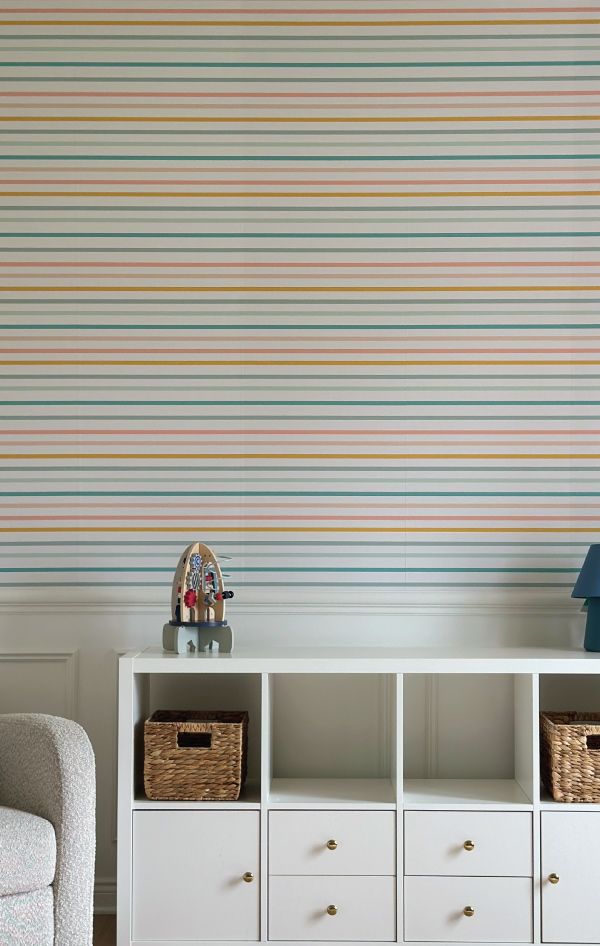
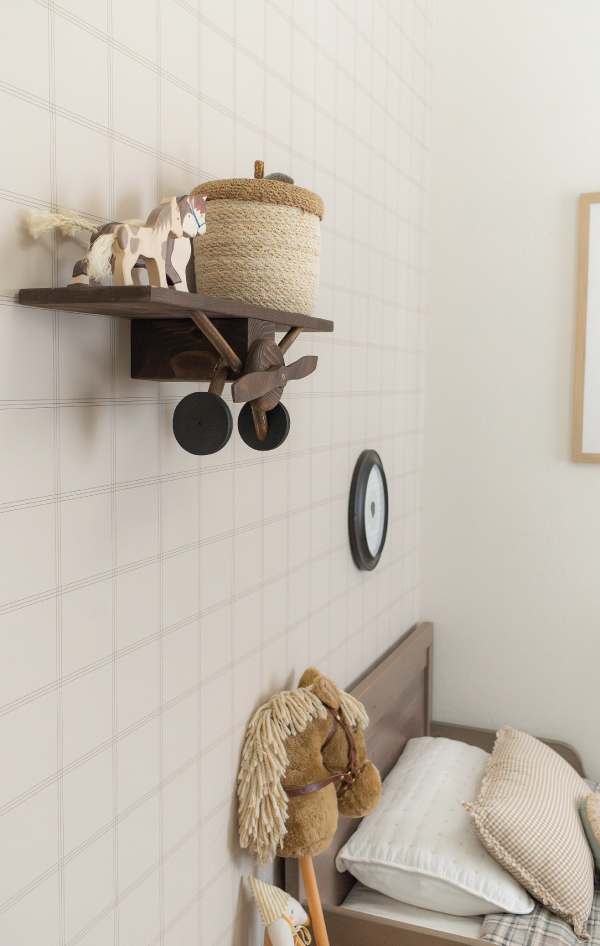
Both pre-pasted and non-pasted wallpaper can be customized in many ways. At Fancy Walls, we make custom-sized panels for both wallpaper types to fit your wall. We also offer color changes, pattern scaling, and custom designs, so you can create wallpaper that fits your space perfectly.
Availability
- Pre-pasted wallpaper can be bought at major home improvement stores and online retailers, including Fancy Walls, Amazon, Etsy, and more. This wallpaper type is popular, so you should have no trouble finding it at your local hardware store, like Home Depot. When choosing a store, consider factors such as return policies, sample availability, and customer reviews to make sure you are satisfied with your purchase. Some retailers may offer samples so you can see the pattern and color in your space before committing to a full order.
- Non-pasted wallpaper is also widely available and sold anywhere wallpaper is offered. Depending on the retailer, it may be labeled as Non-Pasted, Unpasted, or simply Traditional Wallpaper, as all of these terms generally refer to wallpaper that requires separate wallpaper paste for installation.
Environmental impact
Fancy Walls Pre-Pasted wallpaper is PVC-free and printed with eco-friendly, GreenGuard-certified inks. It’s one of the more sustainable options for high-quality, long-lasting wallpaper.
However, for pre-pasted wallpaper, the environmental impact depends not only on the wallpaper itself but also on the type of pre-applied adhesive, which can vary between manufacturers. Some use synthetic polymer-based adhesives or vinyl acetate formulations, while others may use different adhesive systems. For this reason, it is more accurate to evaluate a product based on its specific materials and certifications rather than assuming all pre-pasted wallpapers have the same environmental profile.
To help you make an informed choice, here is a simple checklist for evaluating sustainable wallpaper options:
- Look for FSC® certification to ensure responsible sourcing
- Choose PVC-free products
- Check for GreenGuard inks
- Avoid adhesives with synthetic chemicals or added plasticizers
- Look for water-based or low-VOC adhesives and inks
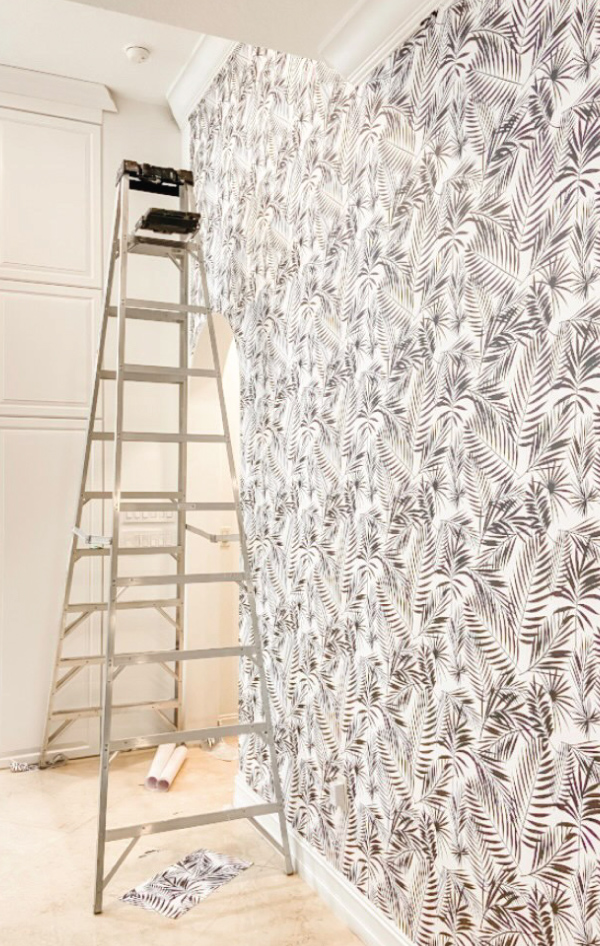
Non-pasted wallpaper is often made from paper or non-woven materials. For a more sustainable choice, look for products that are PVC-free, FSC®-certified, and free from glass fibers, plasticizers, and solvents. Wallpapers printed with water-based or GREENGUARD-certified inks can further reduce their environmental impact.
However, the wallpaper paste is just as important as the wallpaper itself. Some wallpaper adhesives may contain synthetic chemicals or additives that can reduce the overall sustainability of the installation. To make a more environmentally friendly choice, look for adhesives that are starch-based, cellulose-based, or labeled as water-based with low or no added VOCs (volatile organic compounds).
Avoid adhesives that contain formaldehyde, phthalates, or other harsh chemical additives, as these can negatively impact both indoor air quality and the environment. Choosing an adhesive that is biodegradable and free from unnecessary plasticizers or solvents can further support a sustainable installation.
Cost
- The cost of pre-pasted wallpaper varies depending on the brand, quality, and finish. Major retailers such as Target and Amazon typically offer pre-pasted wallpaper at prices ranging from $0.55 to $0.80 per square foot, making it one of the more affordable options for homeowners seeking an easy-to-install wall covering.
- In contrast, non-pasted wallpaper is available across a much broader price range. Depending on the material, design complexity, print quality, and manufacturer, prices generally range from $0.68 to $5.86 per square foot. While budget-friendly options are available, premium non-pasted wallpapers often feature better materials, custom patterns, and greater durability, which contribute to their higher cost.
Choosing a well-made wallpaper can be a smart investment for high-traffic areas, long-term installations, or when you want distinctive designs that are not available in standard collections.
Maintenance
- Pre-pasted wallpaper can be cleaned with a damp cloth when needed. For tougher stains, a mild solution of soap and water may be applied sparingly with a soft sponge, then gently blotted with a clean cloth. However, it should not be exposed to excessive moisture for prolonged periods, as water can gradually reactivate the adhesive and reduce its ability to remain securely attached to the wall.
- Non-pasted wallpaper is not really washable, but you can gently wipe it with a damp cloth to remove dust or small stains. For tougher spots, try a mild, non-abrasive soap mixed with water or a cleaner specifically made for wallpaper.
Always test your cleaning solution on a hidden area first to make sure it won’t cause damage or discoloration.
Style & Design
- Pre-pasted wallpaper comes in a wide variety of colors, patterns, and finishes, making it suitable for many interior design styles. Common options include floral prints, geometric patterns, stripes, textured finishes, and solid colors.
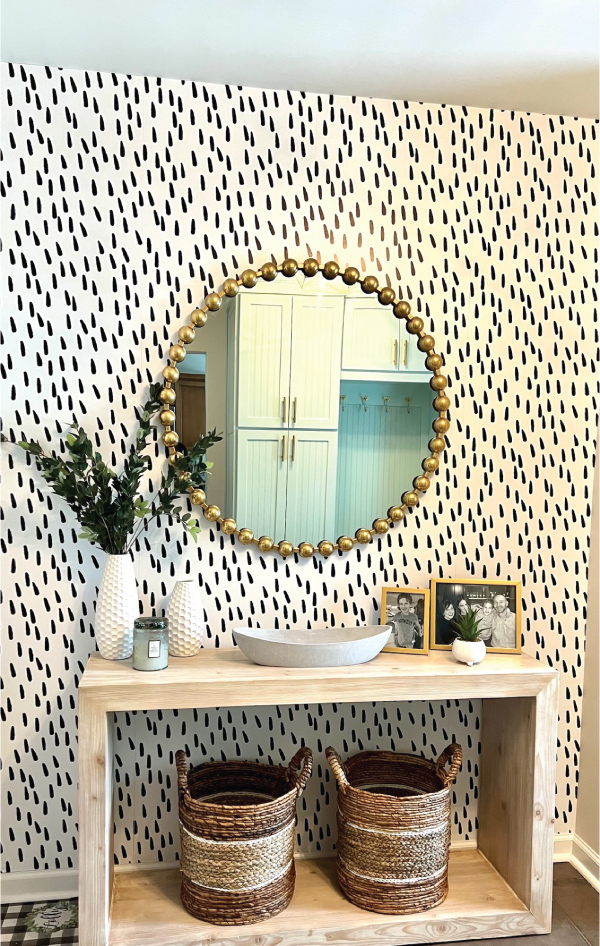
- Non-pasted wallpaper offers the greatest variety in styles and designs. It ranges from simple patterns to premium, designer collections. Because it is not limited by a pre-applied adhesive, it can be produced in a wider range of finishes, making non-pasted wallpaper a popular choice for custom and high-end interior design projects.
Summary
Both pre-pasted and non-pasted wallpaper have their own advantages and disadvantages, and the best choice ultimately depends on your project and priorities.
If you want wallpaper that is quick and easy to install without needing to purchase separate adhesive, pre-pasted wallpaper is an excellent option. It is affordable, beginner-friendly, and available in a wide variety of colors and patterns, making it ideal for DIY projects and residential spaces.
If you’re looking for greater design flexibility, premium materials, or a more permanent installation, non-pasted wallpaper may be the better choice. Although installation requires wallpaper paste and a bit more effort, it offers a broader selection of finishes, textures, and designer collections, making it a favorite for custom interiors and high-end projects.
At Fancy Walls, we offer both pre-pasted and non-pasted wallpaper in custom sizes, with options for color adjustments, pattern scaling, and personalized designs. Whether you’re decorating a bedroom, office, nursery, or an entire home, both wallpaper types can deliver beautiful, long-lasting results when properly installed and maintained.