Wallpaper Types by Application
Wallpaper comes in a variety of application types, each designed to suit different installation preferences, wall surfaces, and skill levels. Understanding the differences between wallpaper application methods can help you choose the best option for your space, whether you are decorating a rental apartment, renovating a family home, or creating a long-lasting statement wall.
Peel & Stick Wallpaper
Peel and stick wallpaper comes with pre-applied adhesive, allowing you to simply remove the backing and apply it to the wall. It is typically made of vinyl (polyvinyl chloride), a plastic commonly used in consumer goods.
Some peel and stick wallpapers are made from polyester, a plastic material spun into threads to create fabric. Fancy Walls, for example, uses textile peel and stick wallpaper, meaning that the finished result has a fabric-like feel.
Non-Pasted Wallpaper
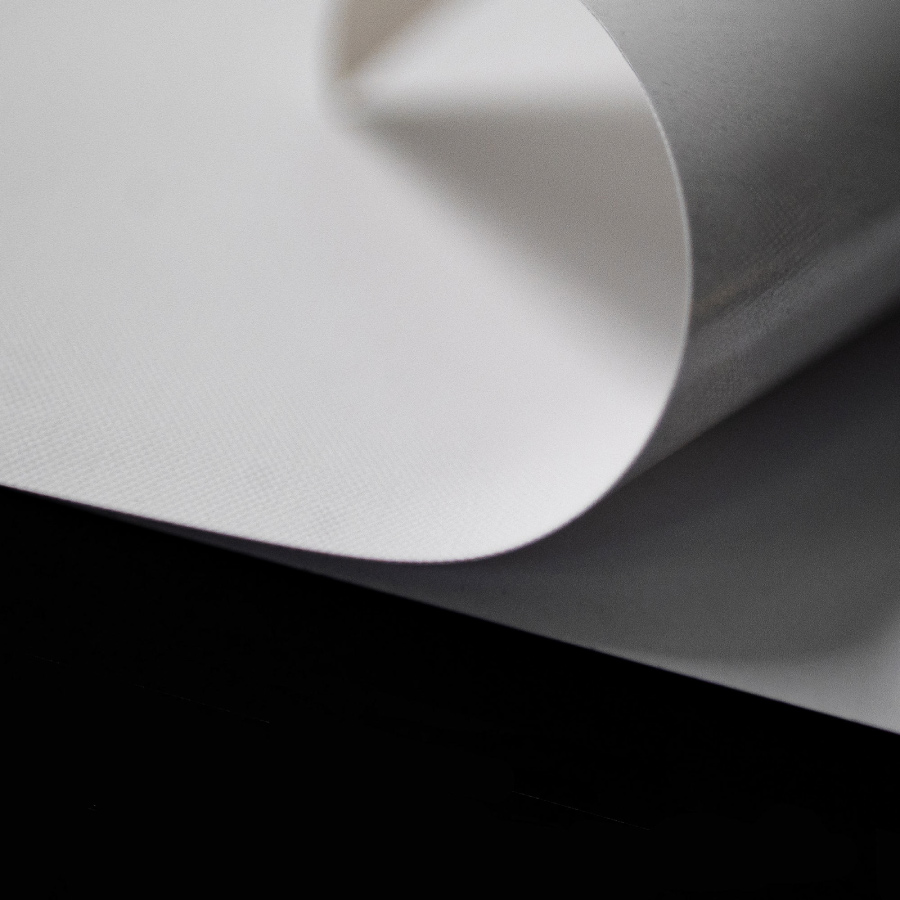
Non-pasted wallpaper, also known as unpasted or traditional wallpaper, doesn’t have any adhesive pre-applied. Paste or glue must be applied separately before installation.
There are two main installation methods for non-pasted wallpaper:
- Paste-the-Wall Wallpaper – The adhesive is applied directly to the wall before hanging the wallpaper strips.
- Paste-the-Paper Wallpaper – With paste-the-paper wallpaper, the adhesive is applied directly to the back of the wallpaper before installation. The wallpaper is then usually folded gently (“booked”) for a short period to allow the paste to absorb and activate before hanging.
Prepasted Wallpaper
Prepasted wallpaper has adhesive on its backing, which is activated with water to simplify installation. You do not need to buy extra paste. Wet the backing, position the wallpaper, and apply it to the wall.
Liquid Wallpaper
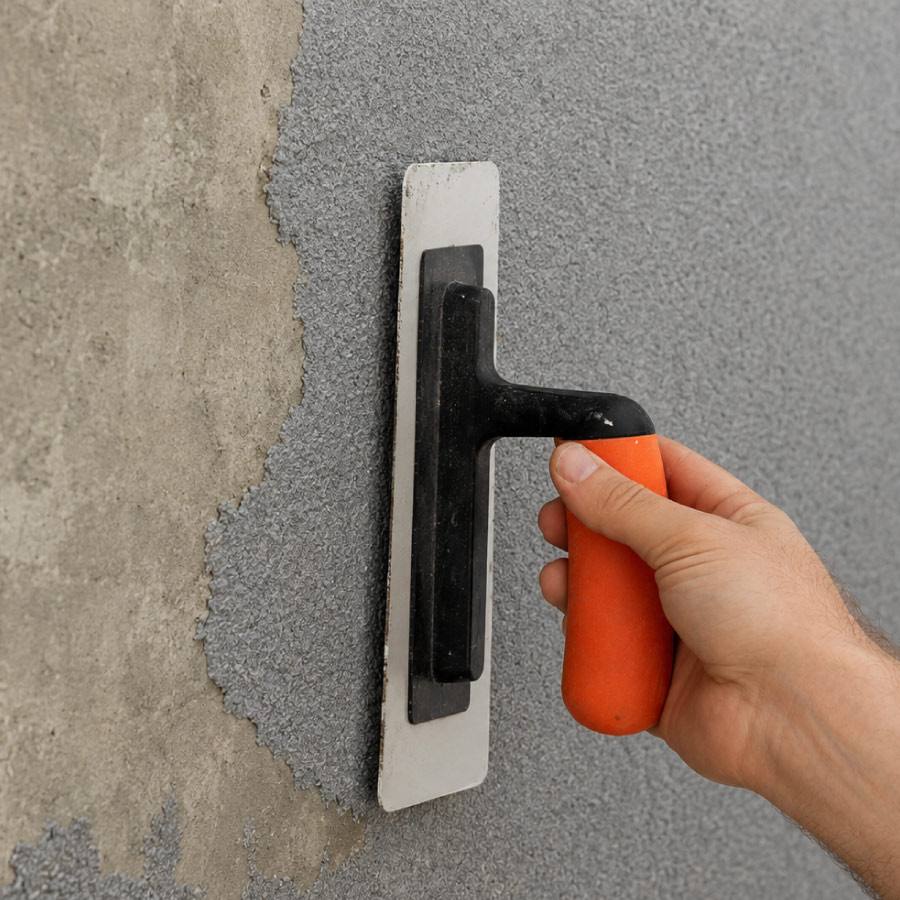
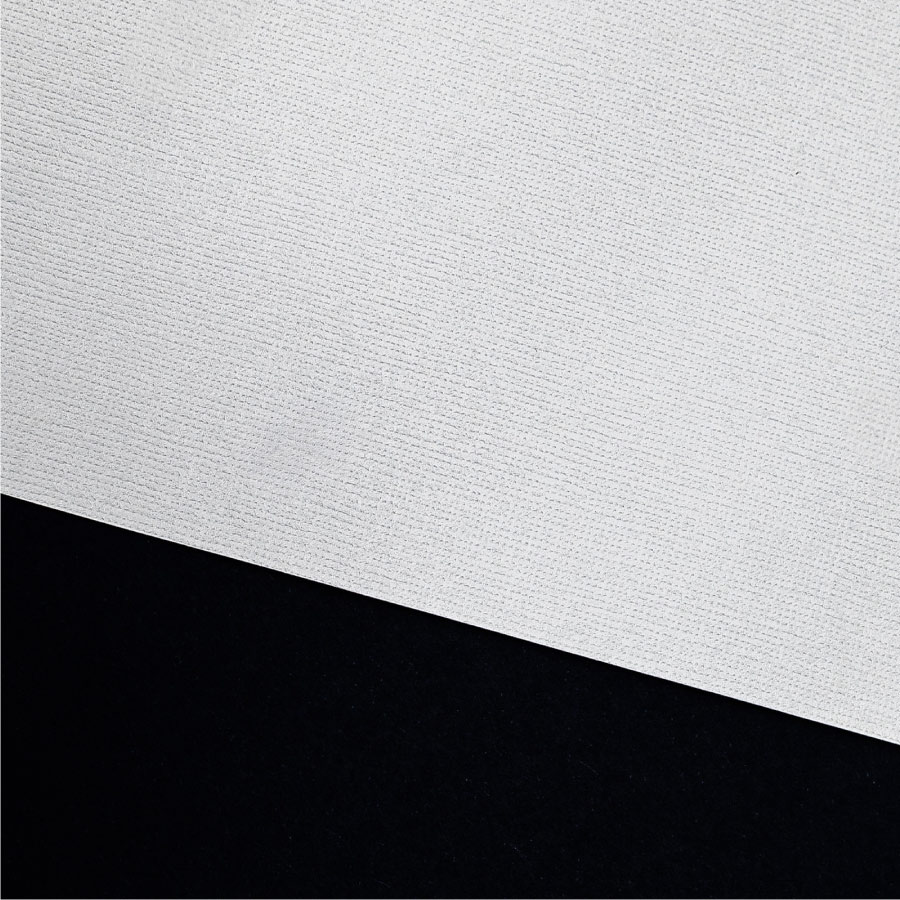
Liquid wallpaper (also known as silk plaster) is applied in a wet, paste-like form using a trowel or spray gun rather than being hung in rolls.