Wallpaper Types by Material
Paper-Backed Vinyl Wallpaper
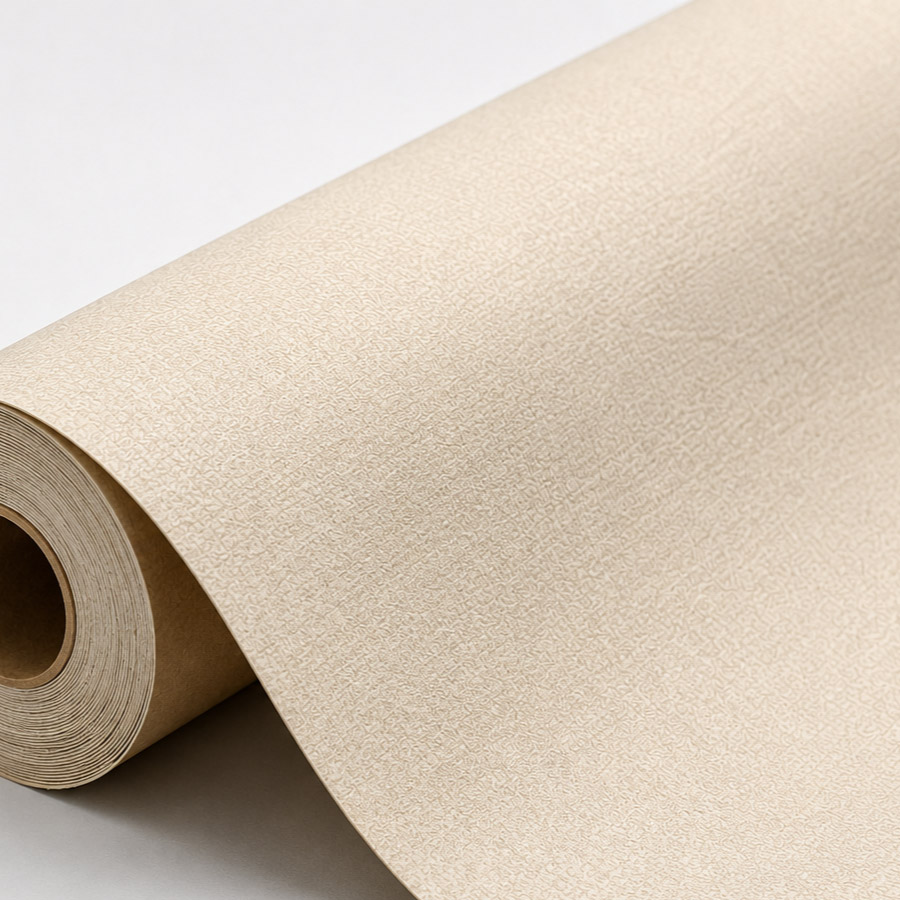
Paper-backed vinyl wallpaper is a two-layer wall covering. The base layer is a heavy-duty paper backing that provides structure and stability. The top layer is made of vinyl, which can have either a smooth finish or added texture, including faux textured effects. The wallpaper’s pattern or design is printed onto this vinyl surface, creating a durable and washable wall covering option.
Fabric-Backed Vinyl Wallpaper
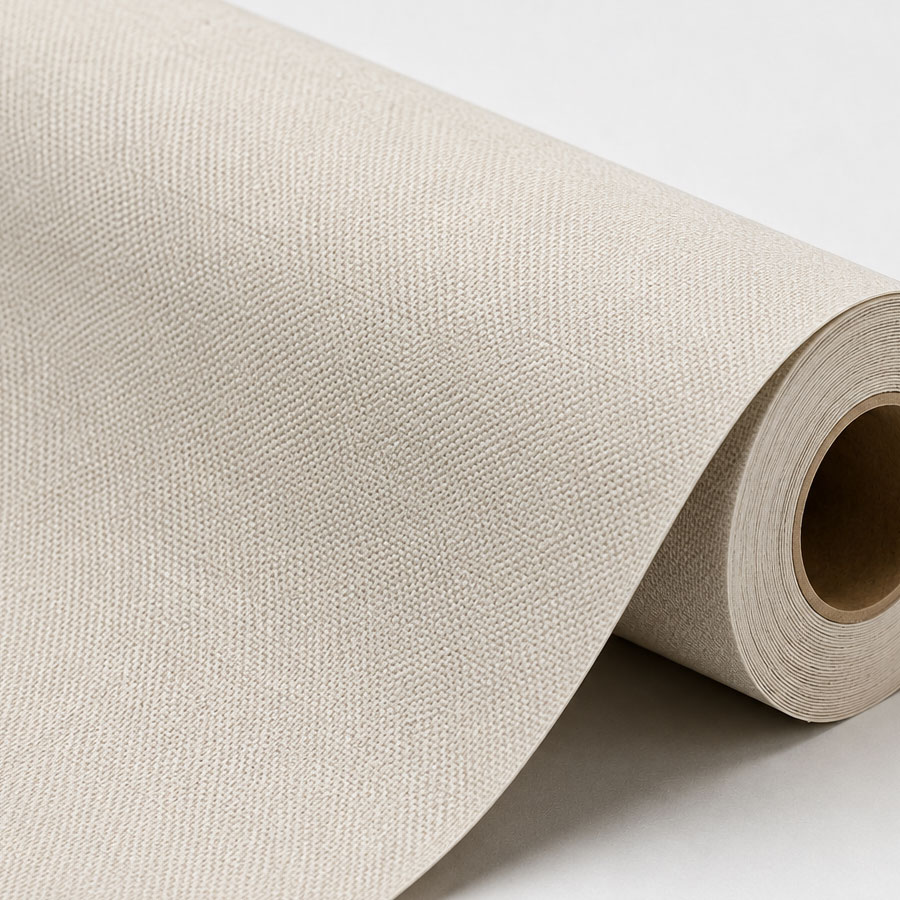
Fabric-backed vinyl wallpaper is also made from a two-layer wall covering. The base of the wallcovering is made from fabric, typically a polyester/cotton blend, that provides strength. The vinyl coating is applied afterward to create a durable, washable surface.
Textile Wallpaper
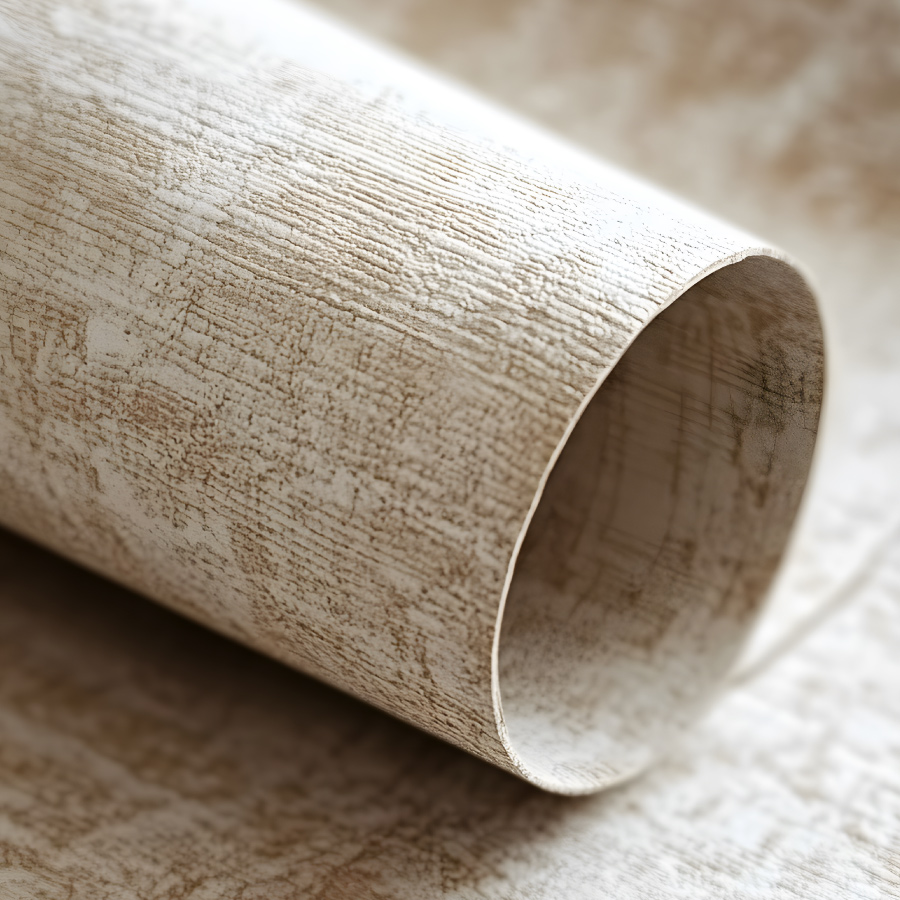
As the name suggests, textile wallpaper is a wallcovering made from various fabrics. For example, natural fibers like linen, cotton, and wool. Or synthetic fibers like polyester or nylon.
The fibers are somewhat laminated onto a paper or nonwoven backing, because by themselves these materials would not hold, or to put it more simply, need a structural “spine.”
Paintable Wallpaper
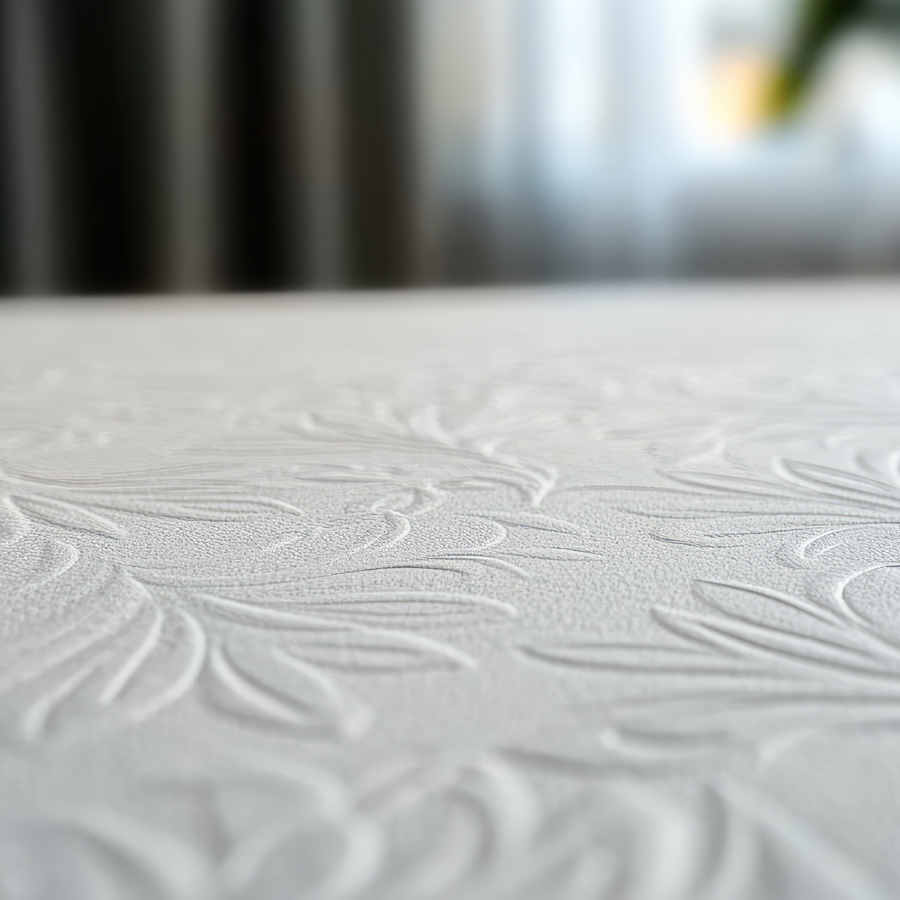
Paintable wallpaper is essentially a canvas for your walls. It is a heavy-duty, textured wallcovering designed specifically to be installed white and then finished with a coat of paint. It’s the “problem-solver” of the wallpaper world, often used to hide cracked plaster or uneven drywall without the mess of skim-coating.
Paper Wallpaper
Traditional paper wallpaper – often called “classic” or “simplex” paper – is the original wallcovering. Unlike the vinyl or textile versions we’ve discussed, this is made entirely of paper pulp.
The design is printed directly onto the paper surface, creating a smooth, matte, and breathable finish. It lies flat and clean on the wall when installed correctly.
Unlike other forms of wallpaper, such as non-pasted or peel and stick, pasted paper usually needs to soak (book) for 10–15 minutes, allowing the adhesive to activate and the material to relax before hanging.
Satin Wallpaper
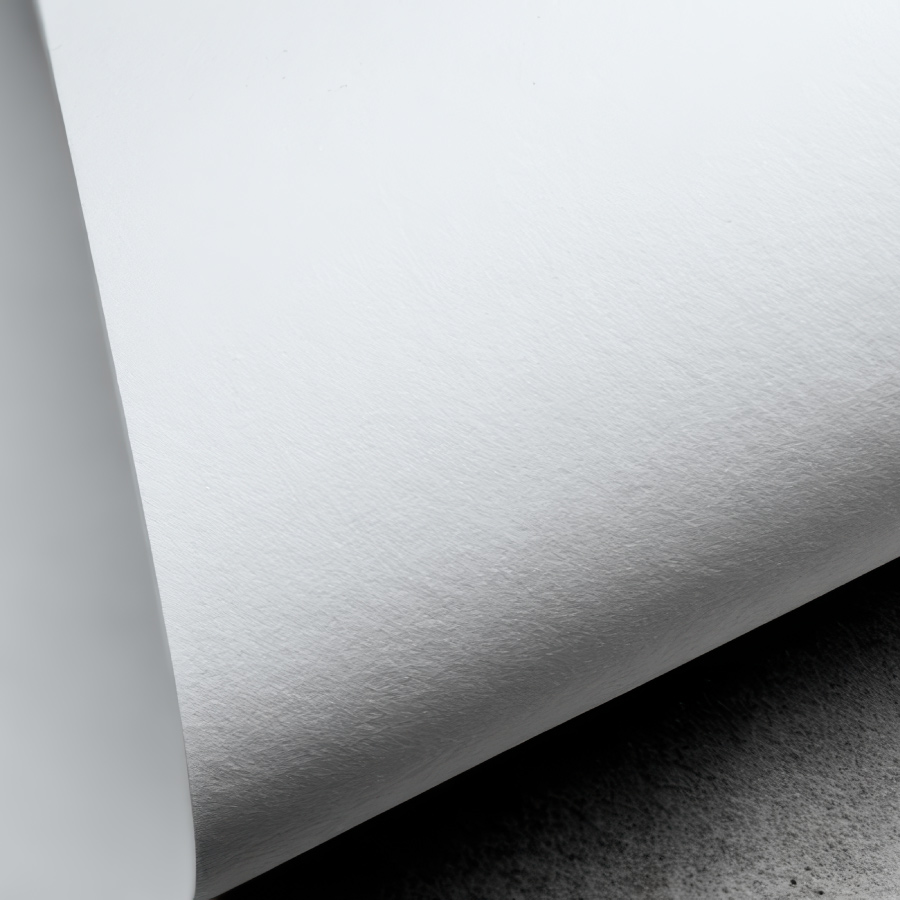
Satin wallpaper is a smooth wall covering with a soft, silk-like sheen. It is typically made of materials such as vinyl or paper with a lightly coated surface, creating a subtle reflective finish without a high gloss.
Satin wallpaper is generally not made from real silk. The word “satin” refers to the finish, not the material itself.
Flocked Wallpaper
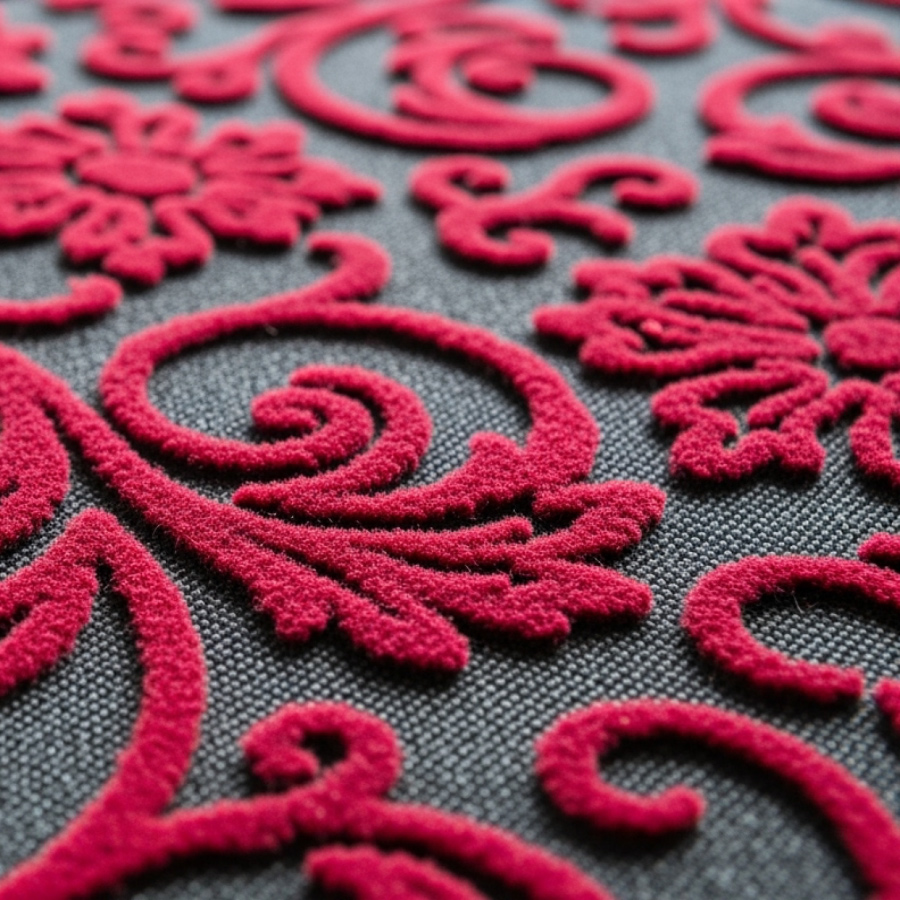
Flocked wallpaper is a premium wallcovering featuring a raised, velvet-like surface. It is created by applying tiny textile fibers, known as “flock,” onto an adhesive pattern printed on a paper or non-woven base. This process results in a soft, three-dimensional design with a distinct feel.
Cork Wallpaper
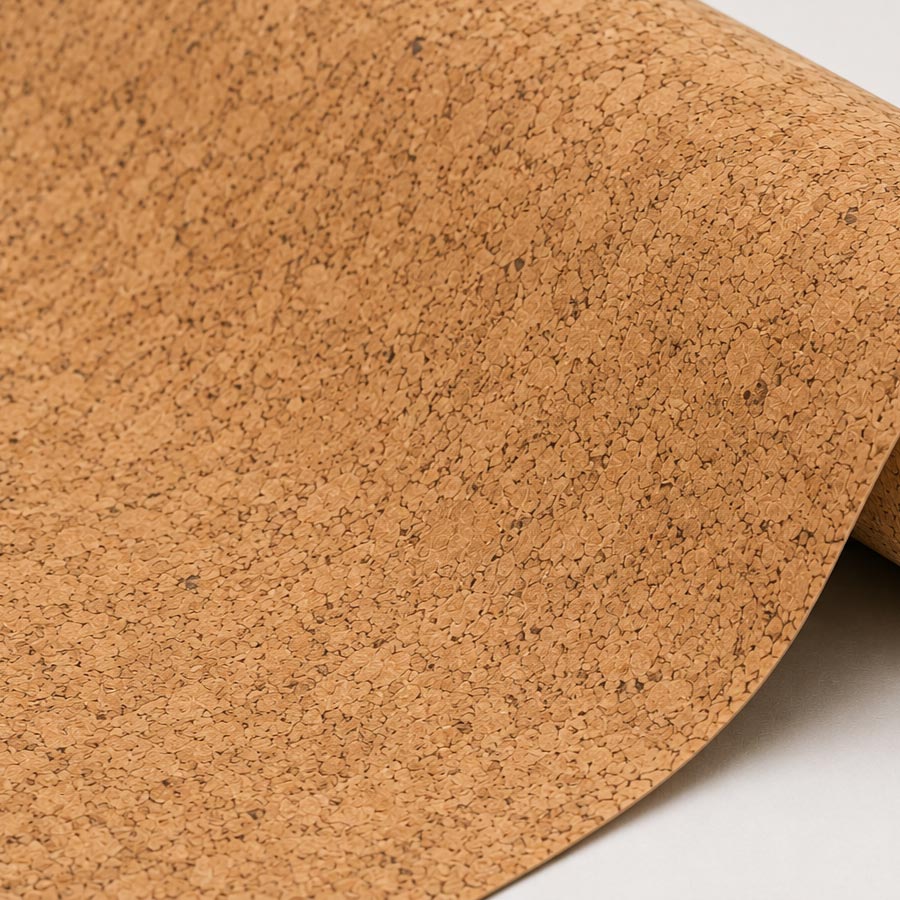
Cork wallpaper is made by laminating thin veneers of natural cork bark onto a paper or non-woven backing. Unlike synthetic wallcoverings, cork is an authentic, organic material that provides a unique tactile experience and a sustainable aesthetic.
Foil Wallpaper
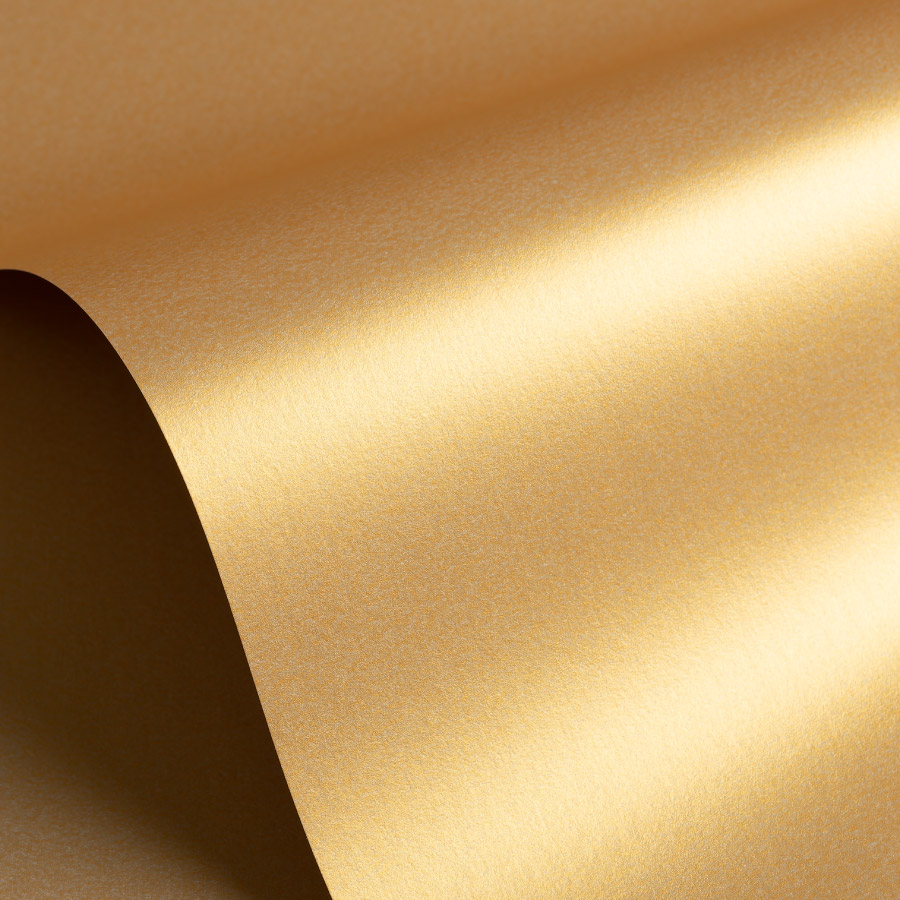
Foil wallpaper is created by laminating a thin metallic layer, such as aluminum foil or metalized film, onto a paper or non-woven backing. This construction results in a highly reflective, mirror-like surface.
Mylar Wallpaper
Mylar wallpaper is an alternative to traditional foil. This wallcovering consists of a metalized polyester film or Mylar laminated to a paper or non-woven backing. Its surface provides a smooth, highly reflective finish.
Wood Veneer Wallpaper
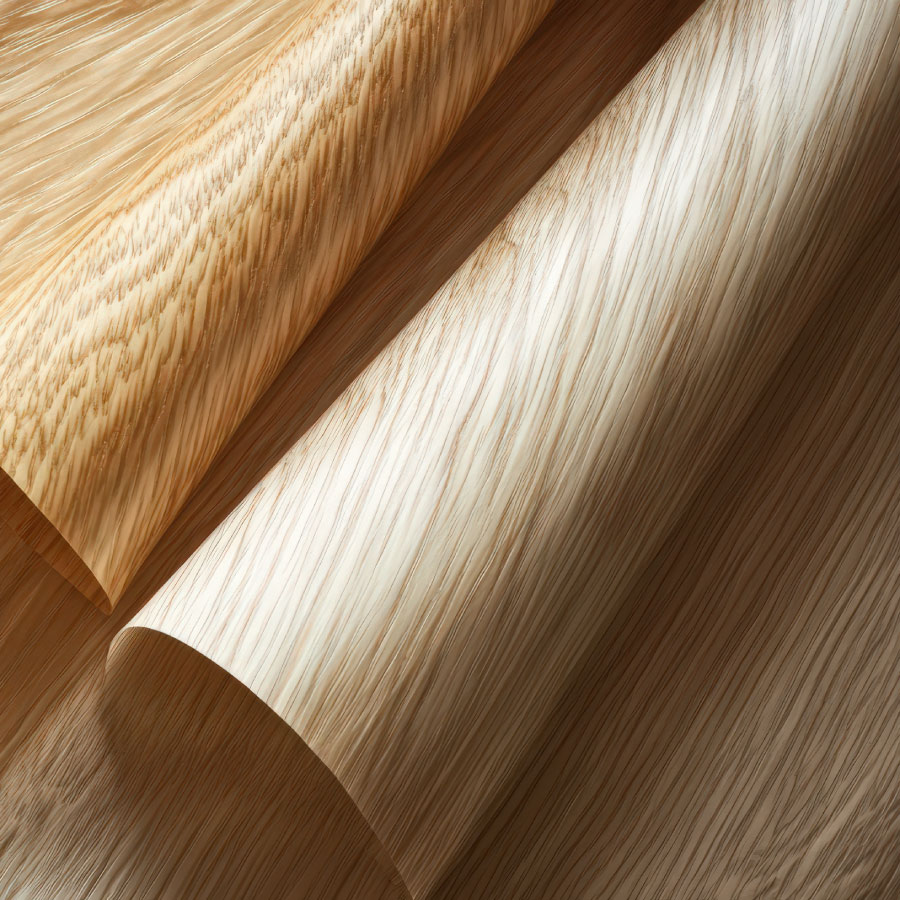
Wood veneer wallpaper is produced by slicing timber into sheets and bonding them to a flexible paper or non-woven backing. This material retains the physical properties of wood, including grain variability and dimensional instability.
Grasscloth Wallpaper
Grasscloth wallpaper is a natural wallcovering made by weaving dried plant fibers together and laminating them onto a paper backing. Common materials include jute, sisal, hemp, arrowroot, bamboo, and seagrass.
Unlike printed wallpapers, grasscloth is valued for its organic texture, visible fiber variations, and handcrafted appearance. Each panel may exhibit slight differences in color, weave, and shading, which are considered natural characteristics of the material rather than defects.